
What Probate Covers in Clinton County
Indiana does not give Clinton County a separate Surrogate's Court or Orphans' Court. Probate matters are part of the local trial-court system, which means filings route through Clinton Circuit Court or Clinton Superior Court by case type and local assignment. The Clerk of the Courts maintains current court records, accepts requests for official copies, and remains the local office to contact for current wills and estate papers. Clinton County is in Judicial District 12 with Boone, Hamilton, and Tipton counties.
Probate records can include estate administration, wills, petitions to appoint a personal representative, guardianships for minors or incapacitated adults, conservatorship-style financial supervision, trust disputes, name-change matters when assigned as civil/probate work, creditor claims, inventories, notices, accountings, and closing orders. Adoption and mental-health matters may touch the same court system, but those categories are restricted and should not be treated as routine public probate records.
The Indiana small-estate statute appears in the state code at IC 29-1-8. The statute is especially important when the estate may qualify for affidavit handling rather than a full administration. A statutory source rather than a generic form vendor should control threshold and timing questions before property is collected.
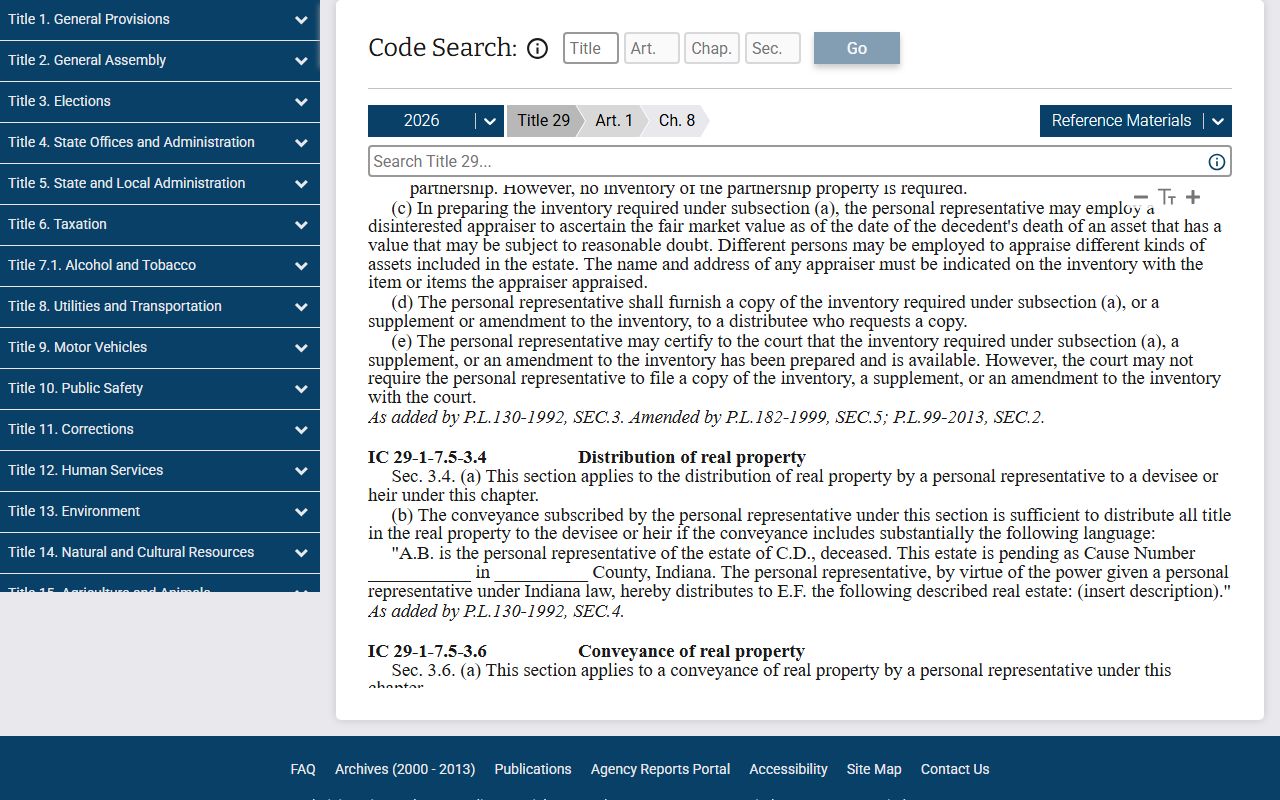
That source supports the Clinton County distinction between a full estate case filed in court and a small-estate affidavit path that may avoid opening a full administration when every statutory condition is met.
Probate Terms Defined
Probate files use terms that affect who can request documents, who may act for an estate, and whether a filing is public. These definitions are practical reading aids for Clinton Circuit and Superior Court records, not a substitute for legal advice.
- Testator
- A person who made a will before death.
- Executor
- A person named in a will to carry out estate administration after court appointment. Indiana records may also use personal representative.
- Intestate
- Dying without a valid will, which can require administration under Indiana inheritance rules.
- Guardianship
- A court case appointing someone to handle care, decisions, or property for a minor or incapacitated adult.
- Conservatorship
- A financial-control concept closely related to guardianship; Clinton research points users to guardianship/probate records rather than a separate local conservatorship court.
How to Search Clinton County Probate Jurisdiction Records
Start with Indiana MyCase for public probate, estate, and guardianship case information. MyCase can show case numbers, case type, court, party names, docket entries, hearings, and some documents, but it is not the official record for certified-copy purposes. If a document is not available online, if the case is older, or if a certified letter or order is needed, contact the Clerk or Archives.
- Search MyCase by case number when available, or use party search with the decedent, petitioner, guardian, or interested party name.
- Narrow to Clinton Circuit Court or Clinton Superior Court if the interface provides court filtering.
- Check whether the record is a probate, estate, guardianship, trust, or related civil matter.
- Contact Clerk Stephanie Harshbarger's office for current official copies, letters, wills, and certified court papers.
- Contact Archives for older probate or guardianship material that may not appear in MyCase.
Indiana's public-records law appears at IC 5-14-3, while court-record access is also controlled by Indiana court rules. Public access does not mean every probate-related paper is online or open to every requester.
That public-access framework explains why a Clinton County probate search can require both online case lookup and an office request when a document is excluded from online access or requires certification.
Probate Courts in Clinton County
Probate is handled by the same local trial courts that handle other civil and criminal matters. The county Courts page lists current visitor information at 2 E Washington St., Suite 306, while the Indiana court directory still carries Courthouse Square addresses. Because those official sources differ, confirm the courtroom or office location before a hearing or in-person copy request.
Clinton Circuit Court
Judge: Brad Mohler / Bradley K. Mohler
2 E Washington St. STE 306
Frankfort, IN 46041
765-659-6345
State directory also lists 355 Courthouse Square.
Clinton Superior Court
Judge: Justin Hunter
2 E Washington St. STE 306
Frankfort, IN 46041
765-659-6340
State directory also lists 320 Courthouse Square and phone 765-659-6341.
Clinton County Archives
Archivist: Grace Gouveia
2 E Washington St. STE 003
Frankfort, IN 46041
765-659-6369
Tuesday-Thursday 8:00AM-4:00PM
Probate Filing Fees
The official Clinton Clerk source reviewed did not publish a probate filing-fee schedule for estate opening, certified letters, or certified court copies. Clinton County Archives does publish copy charges for older legal-record requests. Use the Clerk for current filing and certification amounts before submitting payment.
| Item | Amount / Status |
|---|---|
| Original probate or estate filing | Fee not located in official Clinton Clerk source |
| Letters testamentary or letters of administration | Fee not located in official Clinton Clerk source |
| Certified probate copy | Fee not located in official Clinton Clerk source |
| Guardianship filing | Fee not located in official Clinton Clerk source |
| Archives base request fee | $1 base fee |
| Archives copies | $1 per copy plus mailing costs |
| Archives payment | Check or money order payable to Clinton County Clerk |
What Clinton County Probate Records Show
A current probate file may show the case number, court, filing date, decedent or protected person, petitioner, attorneys, assigned judge, docket entries, notices, hearings, orders, letters, inventories, creditor claims, accountings, and final discharge or closing orders. MyCase may display public case information and some documents at no cost, but the Clerk remains the source for official copies and certification.
Older files may be split from current court systems. Clinton County Archives says older records dating back to 1830 were brought to the local library for indexing and storage after courthouse remodeling in 2000. Archives specifically lists old guardianship and probate records among its holdings, and says current wills and marriage licenses must be obtained from the County Clerk's Office.
Bankruptcy is not probate, but estate searches sometimes reveal a related federal bankruptcy question. The U.S. Bankruptcy Court for the Southern District of Indiana is the federal bankruptcy court for Clinton County residents and businesses.
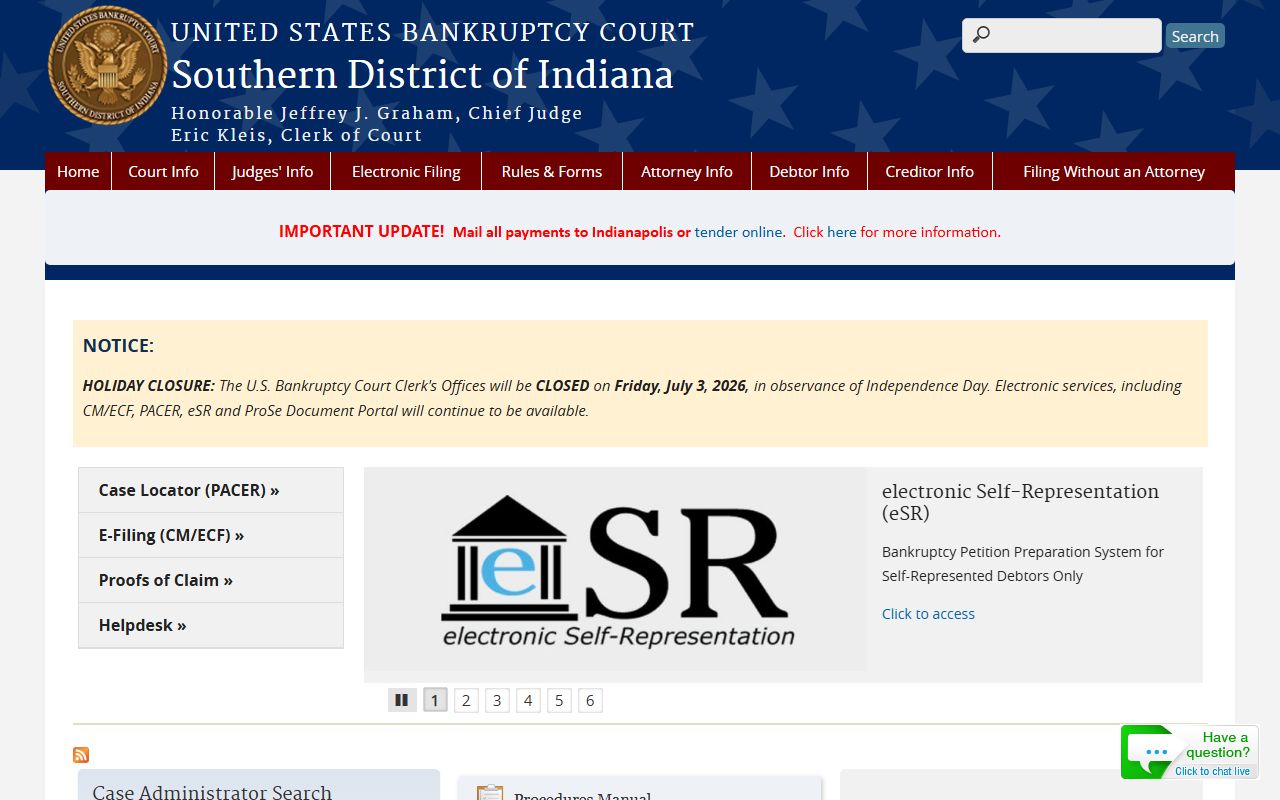
That federal source helps separate Clinton County estate administration from bankruptcy dockets, which are searched through federal systems rather than the county Clerk or MyCase.
Restricted Probate Jurisdiction Records
Probate-related access limits can involve minor guardianships, adoption records, mental-health commitment records, sealed filings, confidential personal identifiers, financial-account information, and medical details. Indiana court access rules can keep a document unavailable online even when the case number or docket entry is visible. A person seeking access to excluded material may need to follow Indiana's court-record access process rather than a routine copy request.
Federal appellate and free legal-research systems can be useful for legal background, but they are not Clinton County probate filing offices. The federal venue statute at 28 U.S.C. section 94 places Clinton County in the Southern District of Indiana.
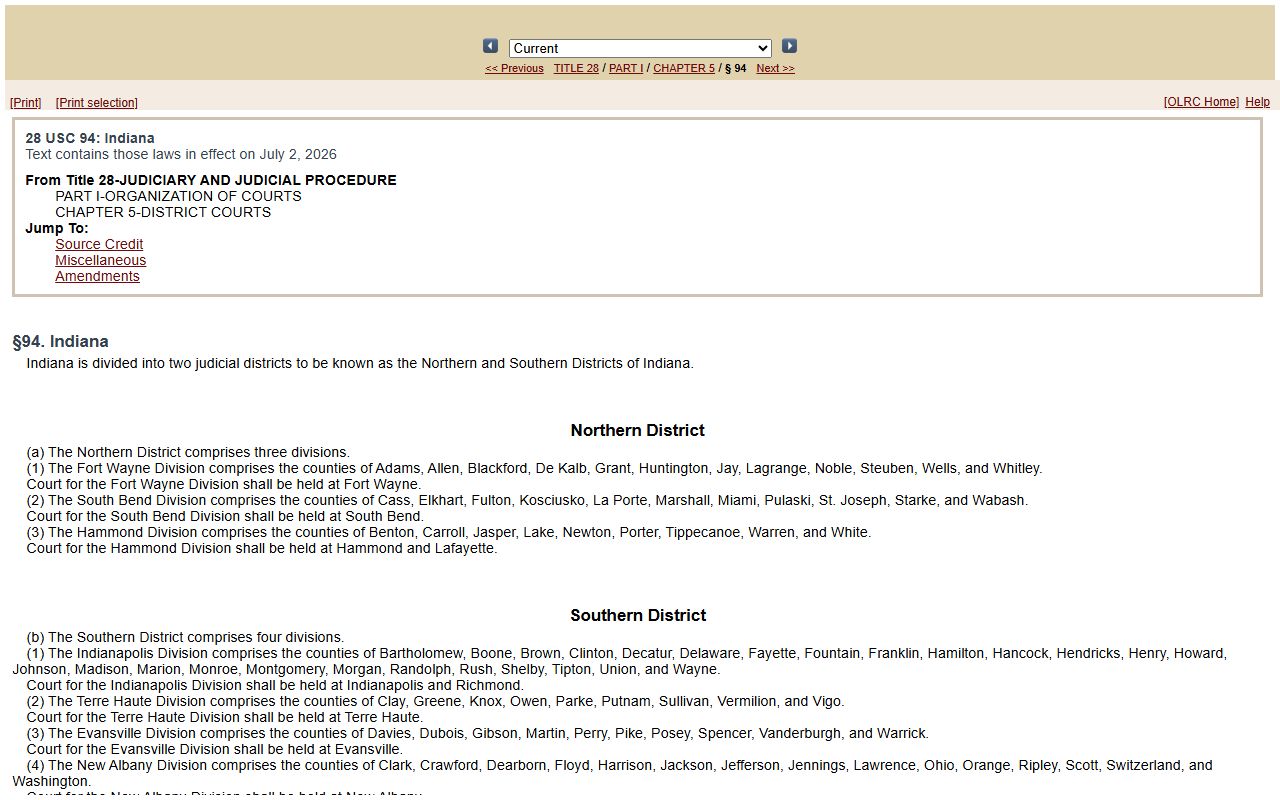
The federal venue source confirms the separate federal track that may matter for related litigation, while Clinton County probate records remain with the local Clerk, MyCase, and Archives.
CourtListener can help research appellate or federal opinions connected to an estate dispute, but it should not be used as a substitute for official case files.
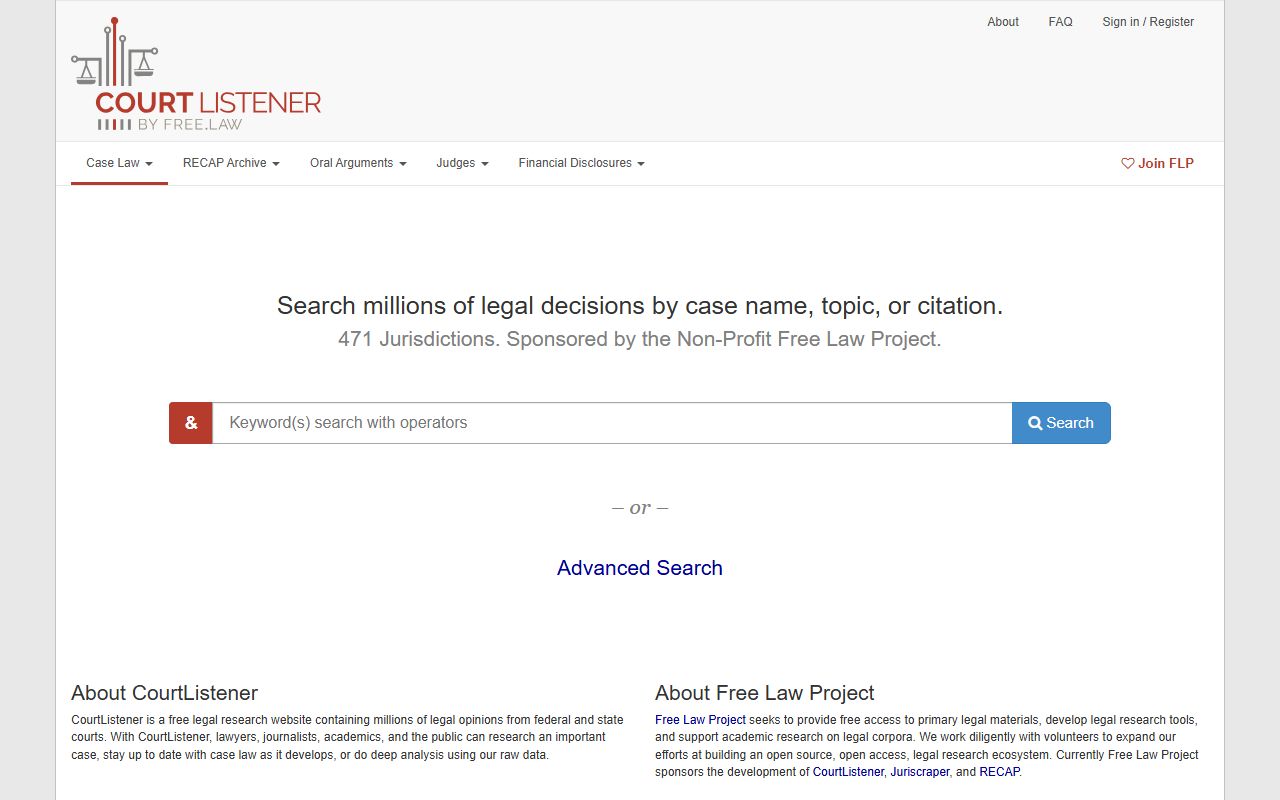
CourtListener can support legal research, but Clinton County certified probate documents must still come from the maintaining court or Clerk's office.